The Rooted Self: Cultivating Well-being Through Herbal Wisdom
Why rely on vitamin and mineral supplements when there's a smarter, more effective alternative? Discover a better way to nourish your body!
In today’s discussion, let's explore the topic of using herbal tea as a natural alternative to supplements. This is a question I often pose to my students during our discussions on herbal research. When examining herbs, students delve into their phytochemical profiles as well as the vitamins and minerals they contain. It's important to note that all plants are generally rich in vitamins and minerals, which exist in a synergistic relationship within the plant. This natural composition means that you don’t have to worry about specific dosages; the creator has designed these elements to work harmoniously together.
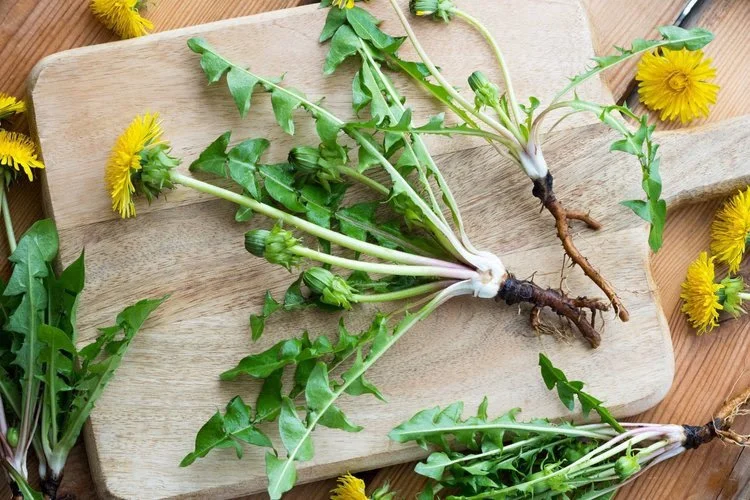
For example, consider Dandelion Root. It is notably high in several valuable nutrients:
Vitamins: High in Vitamin A (14,000 IU per 100 g of dried herb)
Minerals: Contains significant amounts of Iron (9.6 mg), Manganese (0.68 mg), and Phosphorus (362 mg) per 100 g of dried herb, along with protein (16.5%), sodium (113 mg), Magnesium, Zinc, and Vitamin C.
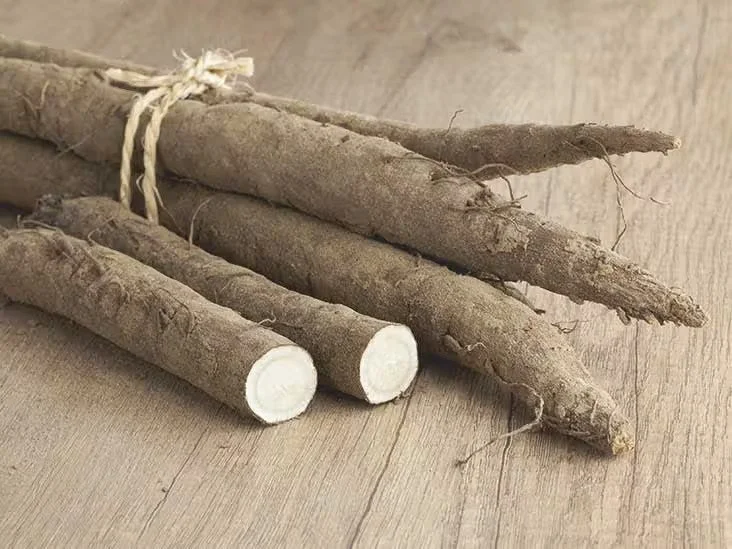
Burdock Root offers:
Vitamins: Vitamin B6, Vitamin C, Vitamin E, and Folate
Minerals: Potassium, Manganese, Magnesium, and smaller amounts of Iron, Phosphorus, Calcium, and Zinc.
This Dandelion root and Burdock root combination illustrates how herbal teas can be a rich source of nutrition, providing a natural alternative to conventional supplements through their comprehensive nutrient profiles.
Plants are rich in essential phytochemicals that play significant roles in health. Among these are flavonoids, such as quercetin, as well as anthocyanins and carotenoids. Other important compounds include terpenoids, such as limonene, essential oils, alkaloids, and saponins. These phytochemicals are known for their medicinal properties, offering a range of benefits to the body. Antioxidants, for instance, contribute to cellular health, possess anti-inflammatory effects, and can stimulate the immune system. Specifically, the flavonoid quercetin is recognized for its protective effects on heart health.
Ask yourself…Will a Vitamin and Mineral Supplement supply you with Pytochemicals?
When consuming a salad, the body requires approximately 2 to 3 hours to break down the food for nutrient absorption. Effective breakdown relies heavily on proper chewing, which should reduce the salad to a mushy consistency in the mouth, free of any chunks or bits. The longer food is held in the mouth, the more digestive enzymes are released by saliva, which aids in the subsequent digestive process in the stomach.
In clinical observations, it has been noted that many individuals do not chew their food thoroughly enough. Additionally, many people have a tendency to drink substantial amounts of liquids—ranging from 32 to 48 ounces—during meals. Unlike pets, which tend not to drink while eating, humans often do so to help swallow food that hasn’t been adequately chewed.
Another common reason for insufficient chewing is the habit of talking while eating. This distraction can prevent proper mastication. Regardless of the nutritional value of meals, if food is not adequately broken down and assimilated, the body will be unable to effectively absorb the nutrients it contains.
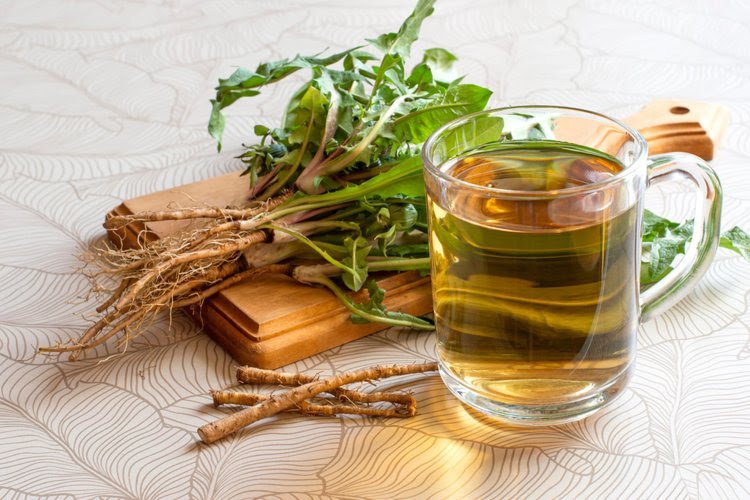
However, when you create an herbal tea with water, the water, being a universal solvent, will break down the plant. Then the total contents of that plant's phytochemicals, vitamins, and minerals will be left in the water. When you drink this herbal tea on an empty stomach, it will be absorbed into your body just like water. Which means that the Tea water will be assimilated into your body within 5 to 10 minutes. It’s easily assimilated by your body because there is no breakdown of plant material, which we call fiber. When you drink an herbal tea, you are quickly absorbing the phytochemicals, vitamins, and minerals that it has to offer. The herbal tea can be made in quantities like 4 to 8 cups at a time and then refrigerated. You can drink the Herbal Tea Hot or Cold. You can place it in a thermos and take it with you on your workout, take the tea to work, or take it when you’re in the car.
Another bonus is that when you drink 32 oz of herbal tea, you are also consuming 32 oz of water. Water that is filled with nutrients! Does your bottled water do that?
The human body naturally accepts nutrients derived from plants. Unlike synthetic, non-organic supplements, plants contain eukaryotic cells, which are similar to the cells in our bodies. This similarity allows our bodies to recognize plant nutrients as beneficial allies, providing essential food and medicinal properties.
In addition to vitamins and minerals, plants are rich in phytochemicals that can help repair damage caused by various health issues, including inflammation. Furthermore, many plant-based compounds offer preventive benefits against viruses, bacteria, and fungi.
It's important to consider whether your vitamin and mineral supplement provides these comprehensive benefits that plant sources can offer.
Herbal tea offers a variety of benefits beyond just being a flavorful beverage. One interesting aspect is that certain herbal teas can be applied externally to the body for various therapeutic effects. For example, they can be used on arthritic joints to reduce inflammation and alleviate pain. Additionally, herbal teas may be beneficial for treating wounds, conjunctivitis of the eye, or dandruff when applied to the scalp. They can also provide relief for skin conditions such as eczema, psoriasis, itchiness, or hives.
This raises a valid question: why rely solely on vitamin and mineral supplements when you have natural alternatives like herbal teas, which are calorie-free and offer a range of uses? Consider investing in herbal tea blends for both internal and external health benefits.
